

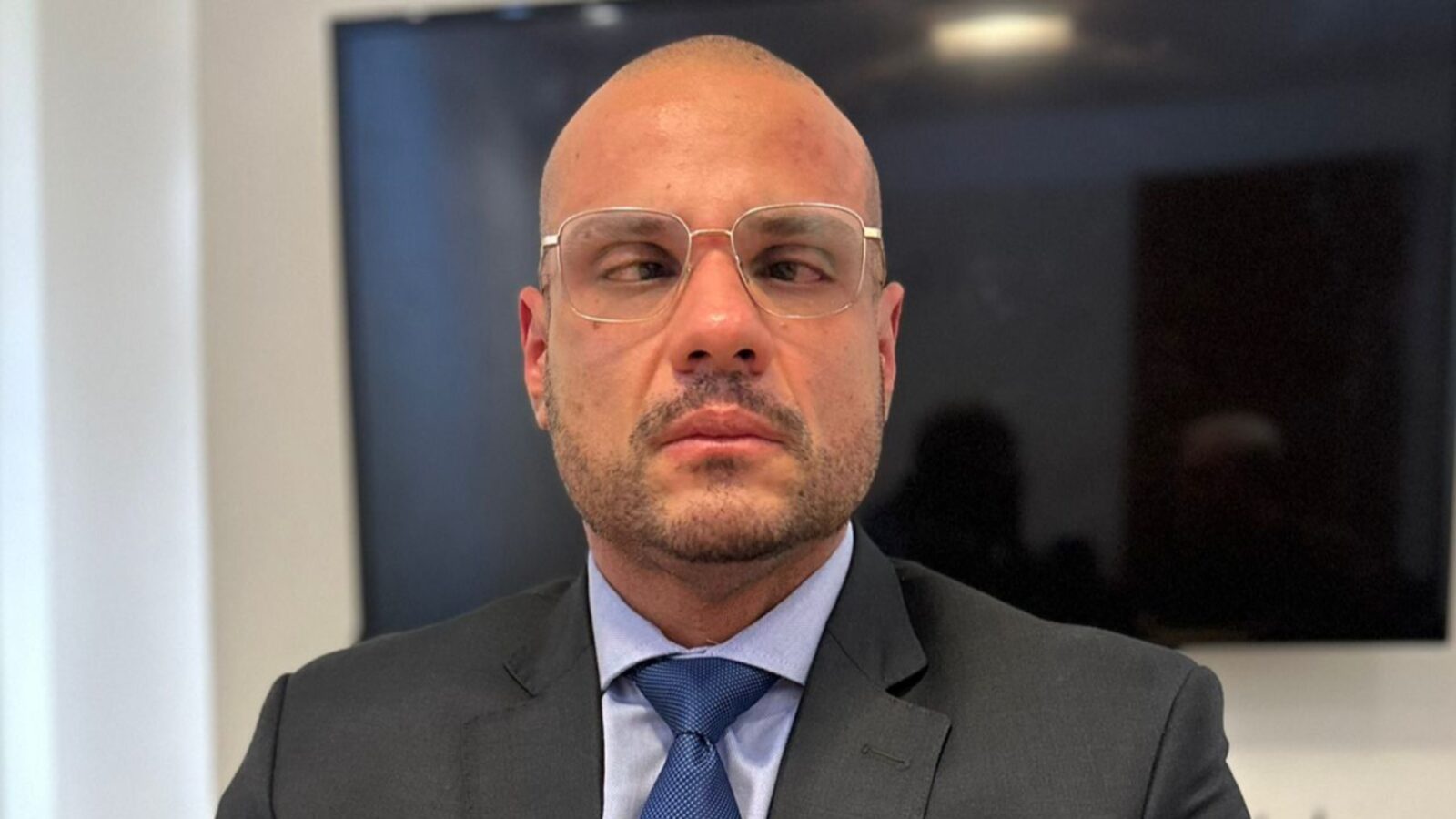
Brazilian businessman Nisomar Provenzano has once again sparked debate in the country’s business community by publicly defending the urgent creation of a Business Protection and Defense Code — an initiative that is beginning to gain traction among productive sectors that complain about excessive penalties and legal uncertainty.
In his most recent statement, Provenzano highlighted what he considers an “absurd, unfair, and disproportionate” issue: the automatic 50% fine imposed by Brazil’s Justiça do Trabalho when a court-approved settlement is not paid on the agreed date. According to him, the percentage represents a distortion that ignores the reality faced by millions of entrepreneurs, especially small and midsize businesses.
“What investment in Brazil delivers a 50% monthly return? None — except the Labor Courts. When a business owner can’t pay a settlement on the exact day, the penalty is 50%. Not even banks charge that, and the Código Civil doesn’t provide for anything like it,” the businessman said, calling attention to what he views as a clear case of unjust enrichment.
Provenzano stresses that the problem is not the existence of rules, but the lack of proportionality. In his view, the country has built strong mechanisms to protect minorities — important advances — yet has left unprotected the group that generates the most jobs and drives the economy: entrepreneurs.

He questions how long what he describes as “a historic injustice against those who produce” will be tolerated. According to him, Brazil’s Congresso Nacional should open debate and update legal provisions, ensuring legal certainty and consistency in the penalties imposed.
“Business owners need to unite and raise this banner. This isn’t about disrespecting the law, but about fighting for fairness and reasonableness. The productive sector can no longer be punished for structural failures the State itself cannot fix,” he emphasized.
Provenzano’s remarks have resonated among accountants, labor attorneys, trade associations, and business leaders who face daily tax, bureaucratic, and judicial pressure. For many, the issue arises at a decisive moment, as Brazil seeks to regain economic momentum and encourage entrepreneurship.
His comments leave an uncomfortable — yet necessary — question in the air:
how long will Brazilian entrepreneurs continue carrying alone a system that, in the businessman’s words, “seems designed to punish those who work”?